
01 — Raw materials
It starts with silicate rock—the most abundant rock on Earth.
Silicate rock doesn’t release CO₂ when processed. Limestone does—and that’s what causes nearly half of Portland cement emissions.
Abundant
Silicate rocks are found in 90% of the Earth’s crust—more abundant than limestone. Supply is never the constraint, regardless of market or geography.
Economical
Feedstock comes from existing, permitted operations—often low-value products or waste streams. In many cases, it’s material our partners already own and control.
Local
Terra’s plants are built adjacent to existing aggregate mine sites, close to the markets they serve. No new mines need to be permitted. No long-haul transport is required.
Versatile
Terra’s process works across a wide range of silicate rock mineralogy. We adapt to the materials available in your market—not the other way around.
The material difference
Tested feedstocks

GRANITE
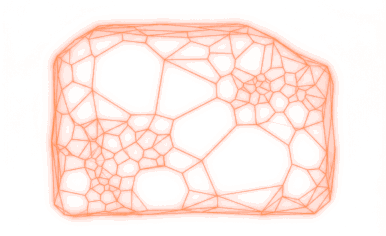
GRANODIOTIRE

BASALT

ALLUVIAL SAND & GRAVEL
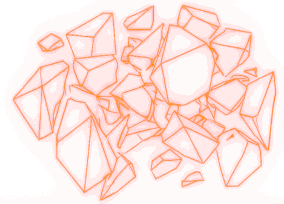
GLACIAL GRAVEL
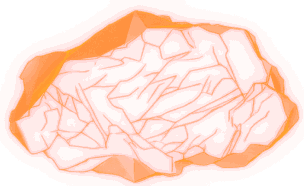
PYROCLASTIC ROCK

SHALE & SLATE
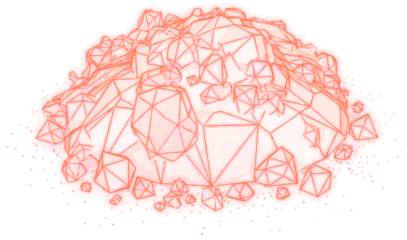
IMPURE CLAY

MINE TAILINGS
GRANITE
TYPE
Major continental rock
LOCATION
Continental shields and batholiths
GRANODIORITE
TYPE
Major continental rock
LOCATION
Batholiths, continental arcs, mountain belts
BASALT
TYPE
Major volcanic rock
LOCATION
Flood basalts, volcanic islands, rift zones, oceanic crust
ALLUVIAL SAND & GRAVEL
TYPE
Unconsolidated sedimentary aggregate
LOCATION
River channels, floodplains, alluvial fans, terraces
GLACIAL GRAVEL
TYPE
Unconsolidated glacial sediment
LOCATION
Recently glaciated regions of the global North
PYROCLASTIC ROCK
TYPE
Volcano-derived deposits
LOCATION
Volcanic cones, ash and tephra deposits
SHALE & SLATE
TYPE
Fine-grained sedimentary/metamorphic rock
LOCATION
Sedimentary basins, former marine/lake deposits, low-grade metamorphic belts
IMPURE CLAY
TYPE
Clay-rich sediment with quartz, carbonate, and others
LOCATION
Weathered soils, sedimentary basins, floodplains, coastal plains
MINE TAILINGS
TYPE
Processed waste rock/mineral residue
LOCATION
Tailings ponds, mine waste facilities, abandoned or active mining districts
02 — The process
OPUS SCM™: from feedstock to final product
Terra’s process is proprietary, patent-protected, and designed from the ground up to be scalable, replicable, and deployable to any major market.
Milling
Raw silicate feedstock is milled to the required particle size at or near the source—minimizing transport distance and cost from the first step.
Vitrification
Terra’s proprietary, patent-protected reactor vitrifies the milled feedstock into a glassy, amorphous powder with the reactive properties required for use as an SCM. Engineered to minimize energy consumption.
Quality control
Finished OPUS SCM™ is tested against ASTM specifications by independent, accredited laboratories. Chemical composition, physical properties, and concrete performance—all verified before the product ships.
ASTM Class N certified
Certified to industry standard
Higher long-term strength
Continues to gain beyond 28 days
Third-party verified
testing conducted by accredited labs
Tested across 95% of all silicate rock types
Consistent performance from granite to mine tailings
Familiar set and finish
Handles SIMILAR TO standard fly ash mix
Integration
OPUS SCM™ drops directly into existing concrete production infrastructure. No new equipment. No changes to batching, delivery, or placement. Fully drop-in compatible.
OPUS SCM
Portland CEMENT
Water
Sand
GRAVEL
THE RESULT
Tested and proven. Building now.
Outperforming legacy SCMs
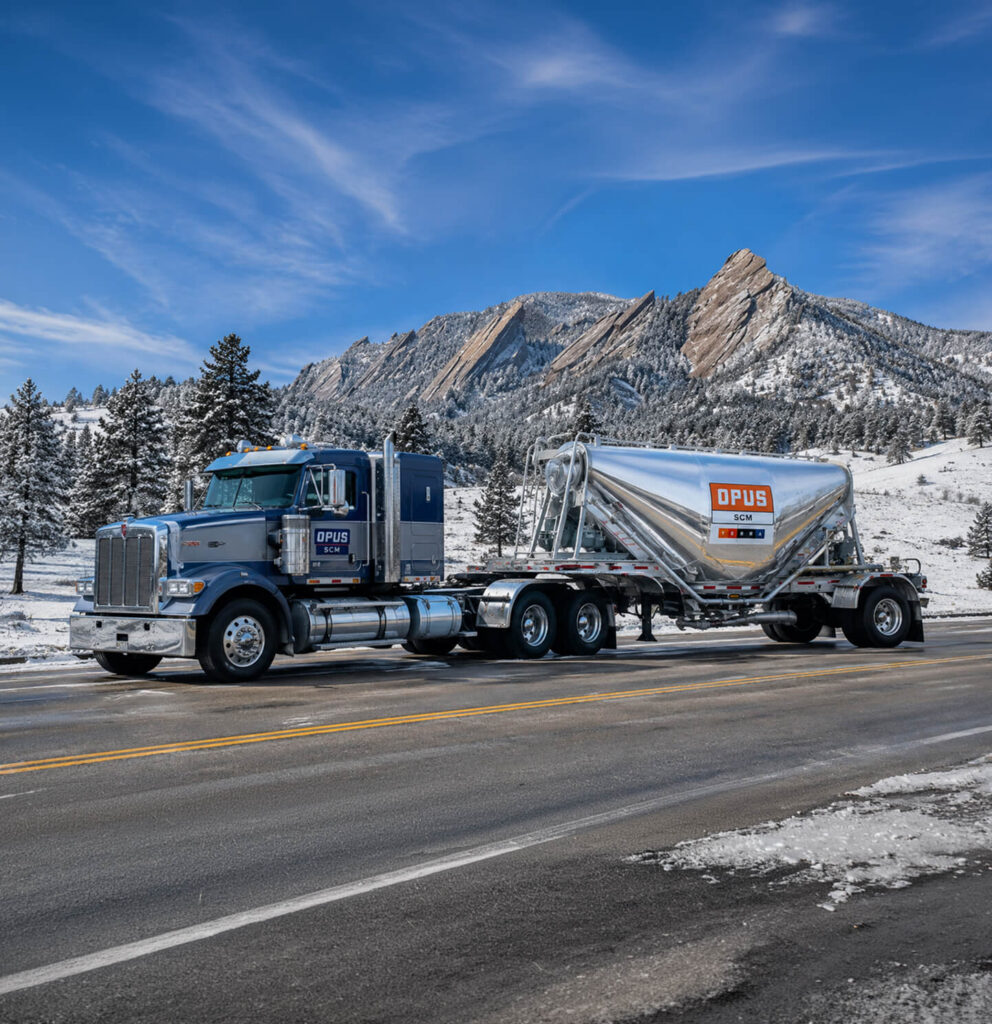
OPUS SCM™ matches—and in several key metrics exceeds—the performance of fly ash and other legacy SCMs. The product is already in use on active build sites.
03 — Built to scale
A proven model. Ready to replicate.
Terra’s advanced processing facility is standardized and replicable—a proven model that can be built in 12–14 months on a footprint of approximately 5–10 acres, adjacent to existing industrial and mine sites.
Local production, lower impact
Plants are built close to market and feedstock, cutting costs and complexity. The first commercial plant is underway in Texas, with six more sites nearing shovel-ready status.
5-10 acres
A small-footprint plant, industrial-scale output
2027
Open for business, Dallas-Fort Worth market
240k
Tons of OPUS SCM™ produced annually
GET IN EARLY
Want to know if your feedstock will work with Terra’s process?
We want to hear from you.
Whether you want to source OPUS SCM™ or explore owning a manufacturing facility in your market, it starts with a conversation.